Sunscreen
Sunscreen, taken seriously.
Sunscreen does more than burn prevention. It prevents most pigmentation, fine lines, and visible aging — and a daily SPF beats every other anti-aging product combined.
Common signs
What this looks like.
- Tone unevenness or sun spots accumulating with age
- Pigmentation that returns every summer
- Premature fine lines on the cheeks and temples
- Outdoor sport or commute without daily protection
What to actually buy
A broad-spectrum SPF 30 or higher, applied daily, in a texture you will actually wear. Mineral (zinc oxide, titanium dioxide) is calming and good for sensitive skin. Modern chemical filters are elegant and well-tolerated. Both are fine — the one you reapply wins.
How much, how often
Two finger-lengths to cover the face and neck. Reapply every two hours of direct sun exposure or after sweating and swimming. SPF in moisturizer almost never counts — the dose is too low.
Common mistakes
Skipping SPF on cloudy or indoor days, applying too little, not reapplying, and trusting that “moisturizer with SPF” does the job. UV penetrates windows. Visible light penetrates everything.
The shortlist
Ingredients that actually move the needle.
Active 1
Zinc Oxide
Broad-spectrum mineral filter. Excellent for sensitive skin.
Active 2
Titanium Dioxide
Mineral filter, usually paired with zinc.
Active 3
Niacinamide
Common SPF additive — calms post-sun redness.
Recommended
Where most people should start.
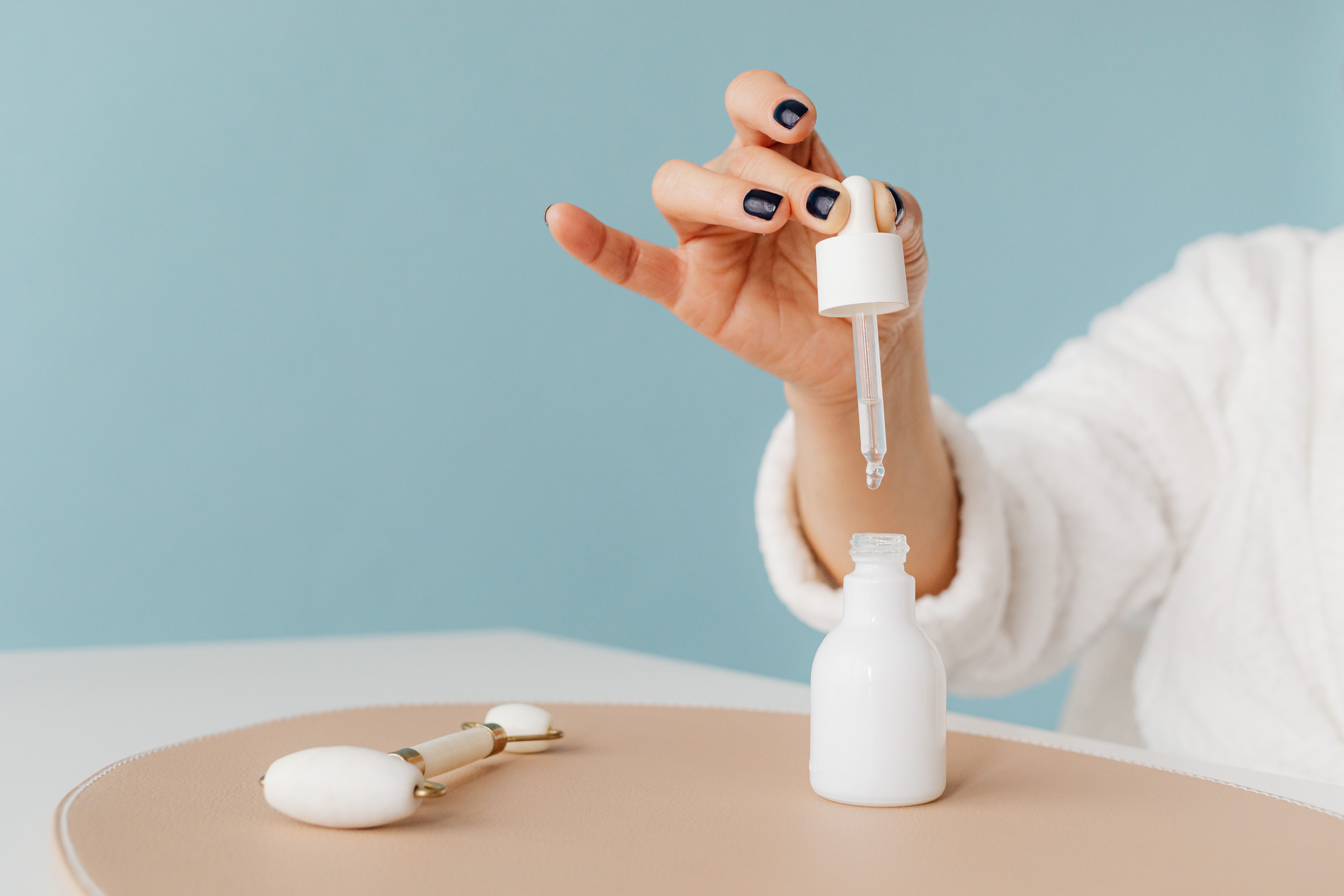 Best for most
Our default for sunscreen
Mineral SPF 50
Zinc-based, non-comedogenic, daily protection. If you only pick one thing for sunscreen, our dermatologists default to this.
Also worth considering
 Derm-reviewed
Niacinamide 10% Serum
Refines pores, balances oil, strengthens barrier.
Not sure where to start?
Talk to a dermatologist about sunscreen.
Twenty quiet minutes, board-certified, free with any order. You leave with a clear plan.
Frequently asked
Questions, answered straight.
- Both work. Mineral is calmer for sensitive skin. Chemical formulas tend to be more elegant. The best one is the one you will wear daily.
- Yes if you are near windows or screens for long periods. UVA penetrates glass. Visible light from screens is meaningful for melasma-prone skin.
- Almost never. The applied dose is too low to reach the labeled SPF.